Health9 min read
Does Smoking Cause Inflammation? Joints, Body & Recovery
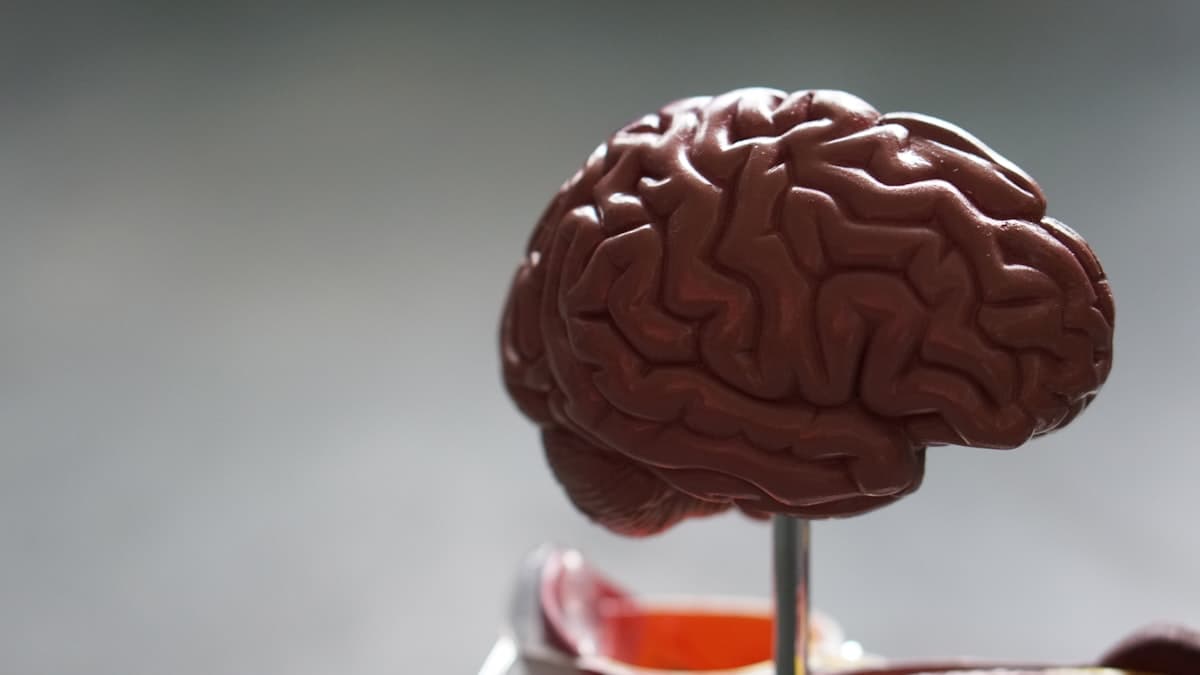
If your joints ache, you heal slowly, or you just feel run-down, smoking may be a bigger culprit than you realize. So does smoking cause inflammation? The evidence is clear and consistent: yes — smoking is one of the most powerful everyday drivers of chronic, body-wide inflammation, and it hits your joints especially hard. Here's exactly how it happens, and what changes when you quit.
Quick Facts
Does smoking cause inflammation? Yes — systemic and in the joints
Main mechanisms: oxidative stress, immune activation, poor circulation
Joint link: a major risk factor for rheumatoid arthritis
After quitting: inflammatory markers start falling within weeks
Does Smoking Cause Inflammation? The Short Answer
Yes. Every cigarette delivers thousands of chemicals and a huge dose of free radicals that your body treats as an attack. Your immune system responds with inflammation — the same process meant to fight injury and infection. When you smoke daily, that response never switches off, leaving you in a state of chronic, low-grade inflammation that quietly damages tissues throughout your body, including your joints, blood vessels, and lungs.
How Cigarettes Drive Inflammation
- Oxidative stress: smoke floods your body with free radicals that overwhelm your antioxidant defenses and damage cells, triggering an inflammatory response.
- Immune system activation: smoking chronically stimulates immune cells to release inflammatory chemicals (cytokines) and raises markers like C-reactive protein (CRP) that doctors use to measure inflammation.
- Reduced blood flow: nicotine narrows blood vessels, so tissues get less oxygen and fewer nutrients to repair themselves — inflammation lingers instead of resolving.
- Toxin load: carbon monoxide, tar, and heavy metals in smoke add a constant chemical insult your body must keep responding to.
- Disrupted immune balance: smoking skews the immune system in ways that can tip it toward attacking the body's own tissues.
Smoking and Joint Inflammation
Your joints are especially vulnerable. Smoking promotes inflammation in the joint tissues, and the reduced blood flow means cartilage and connective tissue get less of what they need to stay healthy and repair damage. The result is more joint pain, stiffness, and slower recovery from injuries.
The strongest evidence links smoking to rheumatoid arthritis (RA), an autoimmune disease in which the immune system attacks the joints. Smoking is one of the best-established environmental risk factors for developing RA — and in people who already have it, smoking makes the disease more severe and makes medications work less well. Smokers also report worse outcomes after joint surgery and slower healing of bones and tissue.
This is why "smoking and joint pain" is such a common, and under-recognized, pairing. If you already have joint issues after quitting, that's a different (and usually temporary) recovery process — see quit smoking joint pain and arthritis recovery.
Does Quitting Smoking Reduce Inflammation?
Yes — and faster than most people expect. Once you stop feeding your body that daily dose of toxins and free radicals, the inflammatory response starts to wind down:
- Within weeks: circulation improves and oxidative stress begins to drop as toxins clear.
- Within a few months: inflammatory markers like CRP measurably decline.
- Around a year: much of the inflammation-related cardiovascular risk is substantially reduced.
Interestingly, some people notice temporary aches or a "worse before better" phase early in quitting as the body recalibrates — that's covered in inflammation after quitting smoking and does quitting smoking cause inflammation. The overall trajectory, though, is firmly downward — quitting is one of the most effective anti-inflammatory changes you can make, tracked in our full health benefits timeline.
How to Support Your Body While Inflammation Settles
- Quit (the root fix): nothing else removes the daily inflammatory trigger the way stopping does.
- Eat anti-inflammatory foods: fatty fish, olive oil, berries, leafy greens, nuts, and whole grains; cut back on ultra-processed foods and excess sugar.
- Move regularly: moderate exercise lowers inflammatory markers and improves joint mobility.
- Prioritize sleep: poor sleep raises inflammation; recovery accelerates when you rest well.
- Stay hydrated and manage stress: both help your body clear the backlog and keep inflammation in check.
When to See a Doctor
See a doctor if you have persistent joint pain, swelling, morning stiffness lasting more than an hour, or symmetric pain in multiple joints — these can be signs of rheumatoid arthritis or another inflammatory condition that benefits from early treatment. Also seek care for unexplained fatigue, fever, or joint pain that keeps worsening.
The Bottom Line
Smoking absolutely causes inflammation — systemic and in the joints — through oxidative stress, immune activation, and reduced blood flow, and it's a leading risk factor for rheumatoid arthritis. The good news is that this is one of the most reversible harms of smoking: quit, and your inflammatory markers begin falling within weeks and keep improving for months. Every cigarette you don't smoke is one less trigger your immune system has to react to.
Chronic inflammation is the price of the habit; lowering it starts with your last cigarette. The QuitNic app helps you stay smoke-free with craving support and a day-by-day view of your body cooling down and recovering.
Vanliga frågor
Does smoking cause inflammation?
Yes. Smoking is one of the most powerful lifestyle drivers of chronic inflammation. Cigarette smoke floods the body with free radicals and toxins that trigger oxidative stress, activate the immune system, and raise inflammatory markers like C-reactive protein (CRP). This low-grade, body-wide inflammation contributes to heart disease, lung disease, and joint problems.
Can smoking cause joint inflammation and pain?
Yes. Smoking promotes inflammation in the joints, reduces blood flow that tissues need to repair, and is a well-established risk factor for rheumatoid arthritis — an autoimmune disease that attacks the joints. Smokers also tend to have worse pain and slower healing after joint injuries and surgery. Many smokers with unexplained aches don't realize smoking is a contributor.
Does quitting smoking reduce inflammation?
Yes, and relatively quickly. Inflammatory markers begin dropping within weeks of quitting, and studies show CRP and other measures continue to fall over months as the body clears the ongoing insult. You won't reverse everything overnight — some effects take a year or more — but the inflammatory burden starts easing almost immediately after your last cigarette.
How long after quitting smoking does inflammation go down?
Inflammatory markers start improving within a few weeks and keep falling over the following months. Circulation improves within weeks, oxidative stress drops as toxins clear, and by around a year many inflammation-related risks are substantially reduced. If you have an inflammatory condition like arthritis, quitting can also make treatments work better.

Redo att sluta?
Ladda ner QuitNic och börja din resa mot ett nikotinfritt liv idag.