Health10 min read
Smoking and Antidepressants: Lexapro, Zoloft & Nicotine
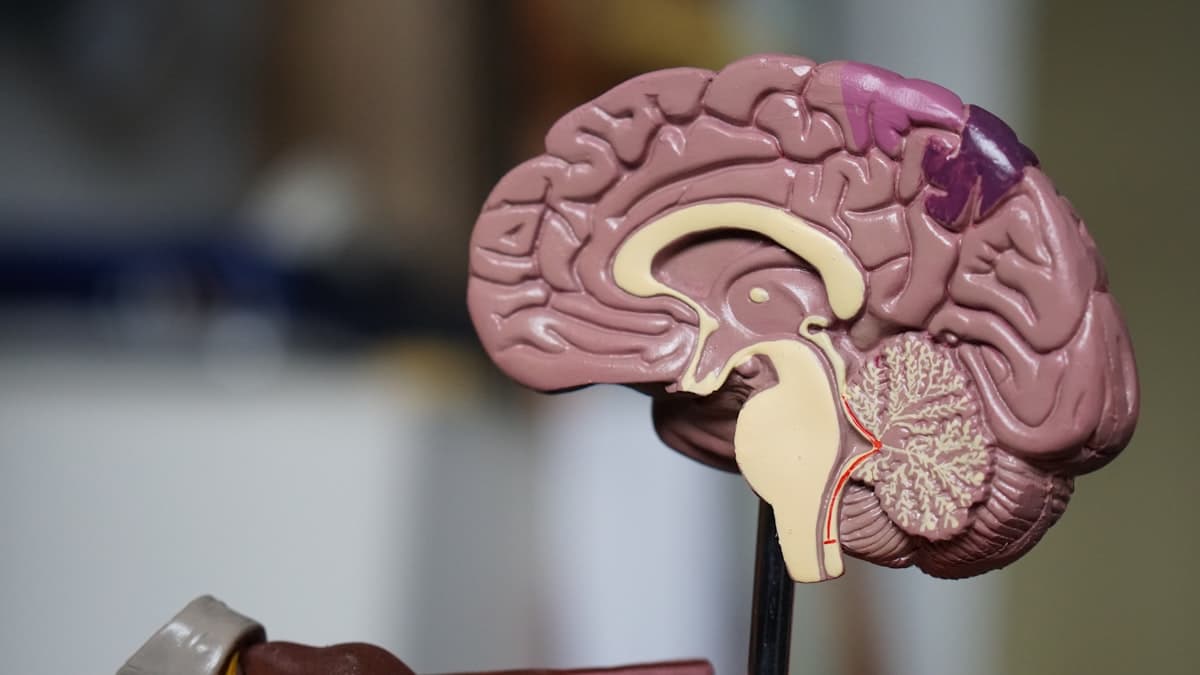
If you take an antidepressant and you smoke, you've probably wondered whether the two mix — and whether quitting could throw off a medication that's finally working for you. It's a smart question, and the honest answer has two parts: a pharmacology part (does nicotine change how the drug works?) and a mental-health part (is quitting safe for my mood?). Here's what the evidence actually says about smoking, nicotine, and antidepressants like Lexapro and Zoloft.
Quick Facts
The key interaction: smoking speeds up a liver enzyme (CYP1A2)
Strongly affected: duloxetine, fluvoxamine, some TCAs, clozapine, olanzapine
Barely affected: Lexapro (escitalopram) and Zoloft (sertraline)
Bottom line: quitting is good for your mental health — tell your prescriber first
How Smoking Interacts With Antidepressants
The most important interaction has nothing to do with nicotine itself. Other chemicals in cigarette smoke (not the nicotine) switch on a liver enzyme called CYP1A2, which breaks down many medications. When smoking revs up this enzyme, it clears certain drugs from your system faster — meaning a smoker can have lower blood levels of those drugs than a non-smoker on the same dose.
The flip side matters just as much: when you quit, CYP1A2 activity gradually returns to normal over about a week. Drugs that smoking had been clearing quickly now hang around longer, so their blood levels can rise — sometimes enough to increase side effects. This is a real, well-documented effect for the medications that depend on this enzyme.
Which antidepressants and psychiatric drugs are strongly affected?
- Duloxetine (Cymbalta) and fluvoxamine (Luvox) — meaningfully metabolized by CYP1A2
- Some tricyclic antidepressants such as imipramine and clomipramine
- Antipsychotics clozapine and olanzapine — among the most sensitive; quitting can raise their levels significantly and needs medical monitoring
- Mirtazapine (Remeron) — partially affected
If you take one of these, quitting is still absolutely worth it — but it's a conversation to have with your prescriber so they can watch for and manage any changes.
What About Lexapro and Zoloft Specifically?
Here's the reassuring part for the most common SSRIs. Lexapro (escitalopram) and Zoloft (sertraline) are broken down mainly by different liver enzymes (such as CYP2C19 and CYP3A4), not primarily CYP1A2. That means smoking doesn't dramatically change their blood levels, and quitting is unlikely to require a dose change on its own.
So if you searched "nicotine and Lexapro" or "Zoloft and smoking cigarettes" worried that quitting might destabilize a medication that's working — for these two SSRIs, the pharmacokinetic risk is low. That removes one big reason people put off quitting.
But "smoking doesn't break the drug" isn't the same as "smoking is fine." Smoking directly undermines what the antidepressant is trying to achieve, which is where the second half of the story comes in.
Smoking, Nicotine, and Your Mood
Many people who take antidepressants smoke because it feels like it helps — a cigarette seems to calm anxiety or lift a low mood. That relief is real in the moment, but it's a trap. What you're feeling is the relief of a nicotine craving being satisfied, not a genuine mood improvement. Between cigarettes, withdrawal quietly ratchets your baseline anxiety back up, so you need the next one just to feel normal.
The long-term data is striking: smoking is associated with higher rates of depression and anxiety, not lower. And quitting is associated with improved mental health. A large body of research shows that after the initial withdrawal period, people who quit experience reduced anxiety, less depression, and better mood — with effect sizes comparable to antidepressant treatment for some people. We cover this in depth in quit smoking mental health benefits.
In other words, quitting doesn't fight your antidepressant — it works in the same direction.
Quitting Safely While on an Antidepressant
The first days of quitting can temporarily worsen mood, irritability, and anxiety as nicotine leaves your system — and that can feel especially rough if you're managing depression. Sometimes withdrawal anxiety even resembles a panic attack. This is temporary, and it's manageable with the right plan:
- Tell your prescriber before you quit: so they know to monitor your mood and — if you're on a CYP1A2-metabolized drug — watch for level changes.
- Time it thoughtfully: quitting is easier when your mood is relatively stable, not in the middle of a crisis. There's no need to wait for "perfect," but pick a reasonable window.
- Consider nicotine replacement or medication support: ask about NRT or quit-smoking medications; some are used safely alongside antidepressants.
- Watch the caffeine: smoking also speeds up caffeine metabolism, so when you quit, caffeine hits harder — cut back to avoid jitters that can mimic anxiety.
- Lean on structure and support: a plan for cravings and low moments makes the difference. Our craving strategies and the broader safety picture in quitting smoking while on antidepressants both help.
Understanding the addiction underneath makes all of this easier — see the science behind nicotine addiction.
Talk to Your Doctor or Pharmacist
This article is general information, not medical advice. Never start, stop, or change the dose of an antidepressant on your own. Before you quit smoking, tell your prescriber — especially if you take duloxetine, fluvoxamine, clozapine, olanzapine, or a tricyclic, where quitting can raise drug levels. If your mood, anxiety, or thoughts of self-harm worsen while quitting, contact your doctor or a crisis line right away.
The Bottom Line
Smoking interacts with some antidepressants by speeding up the CYP1A2 enzyme — relevant for drugs like duloxetine, fluvoxamine, clozapine, and olanzapine, where quitting can raise blood levels and warrants monitoring. For the most common SSRIs, Lexapro and Zoloft, that pharmacokinetic effect is small, so quitting is unlikely to disrupt them. More importantly, smoking works against your mental health, and quitting is linked to real, lasting improvements in mood and anxiety once the withdrawal period passes.
You don't have to choose between your medication and quitting — done right, they pull in the same direction. The QuitNic app helps you quit with craving support and daily encouragement, so you can protect the mental-health progress you've worked for.
Häufig gestellte Fragen
Can you smoke cigarettes while on antidepressants like Lexapro or Zoloft?
There's no direct danger that makes it unsafe to smoke while taking Lexapro (escitalopram) or Zoloft (sertraline) — these SSRIs aren't broken down mainly by the enzyme smoking affects most, so smoking doesn't dramatically change their blood levels. But smoking works against the very thing the medication is treating: it's linked to worse long-term anxiety and depression. You can smoke on them, but quitting supports your mental health, not just your body.
Does nicotine affect how antidepressants work?
It depends on the drug. Smoking induces a liver enzyme called CYP1A2 that speeds up the breakdown of certain psychiatric medications — most notably duloxetine (Cymbalta), fluvoxamine (Luvox), some older tricyclics, and antipsychotics like clozapine and olanzapine. For those, smoking can lower drug levels and quitting can raise them. SSRIs like Lexapro and Zoloft are affected much less because they use different enzymes.
Will quitting smoking change my antidepressant dose?
Possibly, if you take a medication strongly metabolized by CYP1A2 (like duloxetine, fluvoxamine, clozapine, or olanzapine) — quitting can raise its blood level, and your doctor may monitor for increased side effects. For Lexapro and Zoloft, a dose change from quitting alone is unlikely. Either way, tell your prescriber you're quitting so they can watch for any changes.
Does quitting smoking make depression or anxiety worse?
In the first days and weeks, nicotine withdrawal can temporarily worsen mood, irritability, and anxiety — which is why quitting can feel harder if you have depression. But the research is clear that over the following weeks and months, quitting is associated with reduced anxiety and depression and improved mood, comparable to the benefit of antidepressants for some people. The dip is temporary; the improvement lasts.

Bereit aufzuhören?
Lade QuitNic herunter und starte noch heute deine Reise in ein nikotinfreies Leben.