Memory Improvement After Quitting Smoking: What Science Says
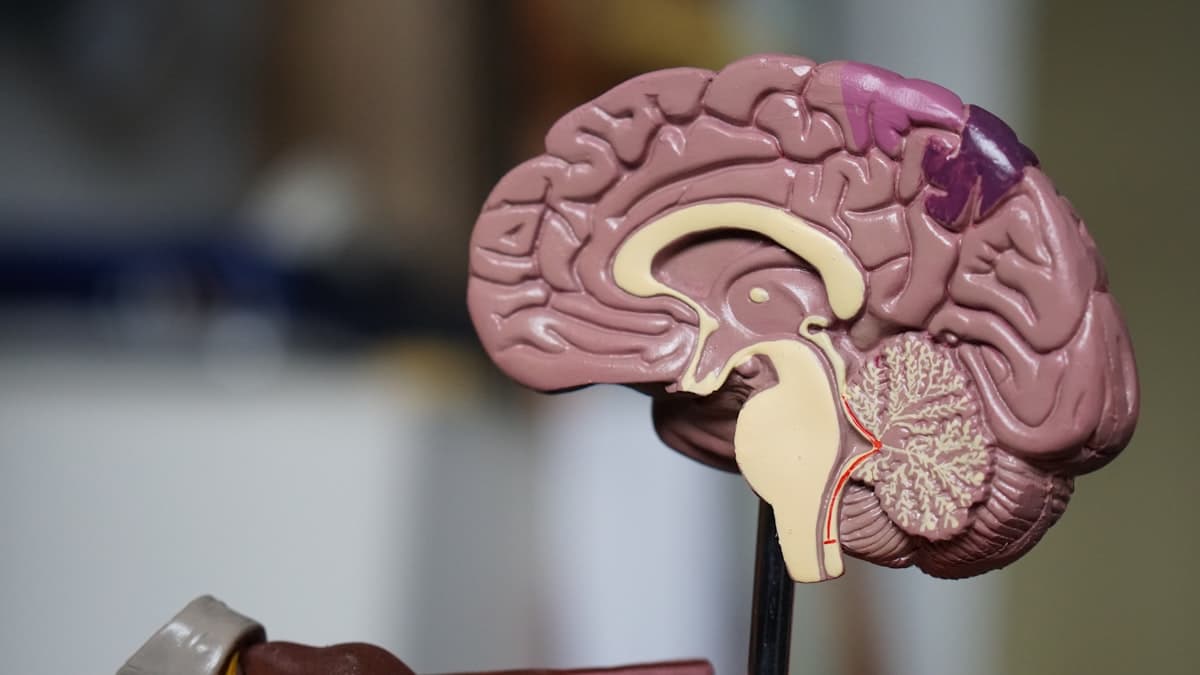
If you've been smoking for years, you might have noticed your memory isn't what it used to be—forgetting names, misplacing keys, struggling to recall details. The good news? Science confirms that quitting smoking can significantly improve memory and cognitive function. For a complete timeline of all health improvements, see our health benefits timeline. Here's what the research says about your brain's remarkable recovery.
How Smoking Affects Memory
Before understanding recovery, let's understand the damage:
The Brain Under Siege
Every cigarette delivers over 7,000 chemicals to your body, many of which directly affect brain function:
- Reduced blood flow: Nicotine constricts blood vessels, limiting oxygen and nutrients to the brain
- Oxidative stress: Free radicals from smoke damage brain cells
- White matter damage: Studies show smokers have less white matter—the brain's communication highways
- Hippocampus shrinkage: The memory center of the brain literally shrinks with long-term smoking
- Cortical thinning: The brain's outer layer, crucial for memory, becomes thinner
Types of Memory Affected
Smoking impacts multiple memory systems:
- Working memory: Holding information in mind while using it
- Prospective memory: Remembering to do things in the future
- Verbal memory: Recalling words, names, and verbal information
- Episodic memory: Remembering personal experiences and events
What Science Says About Memory Recovery
Ready to Quit?
Download QuitNic and start your journey to a nicotine-free life today.
Research on cognitive recovery after smoking cessation is encouraging:
Key Research Findings
- 2015 Study (Neuropsychopharmacology): Former smokers showed significant memory improvement within 2 years of quitting
- 2018 Meta-analysis: Quitters demonstrated better prospective memory (remembering future intentions) than continuing smokers
- 2020 Study: Cognitive benefits of quitting were observed as early as 2 weeks post-cessation
- Long-term research: After 10+ years quit, cognitive function approaches that of never-smokers
Brain Structural Recovery
Your brain physically heals:
- Blood flow to the brain normalizes within weeks
- White matter begins repairing after extended abstinence
- Cortical thickness can partially recover
- Neuroplasticity allows the brain to form new connections
Track Your Cognitive Recovery: The QuitNic app helps you monitor your brain healing milestones with personalized tracking. Download free for iOS and Android.
Memory Recovery Timeline
Week 1-2: Initial Changes
- Blood flow to brain begins improving
- Carbon monoxide levels normalize, improving oxygen delivery
- May experience temporary brain fog (normal during withdrawal)
- Early improvements in attention may be noticeable
Week 2-4: Early Improvements
- Studies show measurable cognitive improvements begin
- Working memory starts improving
- Mental fog typically lifting
- Focus and concentration improving
Month 1-3: Significant Progress
- Prospective memory (remembering to do things) notably better
- Verbal memory showing improvement
- Processing speed increasing
- Many former smokers report feeling "sharper"
Month 3-12: Continued Recovery
- Ongoing improvement in all memory domains
- Executive function (planning, decision-making) improving
- Brain structural changes beginning
- Memory function approaching never-smoker levels for some
Year 1+: Long-Term Benefits
- Significant reduction in dementia risk
- Continued brain structural recovery
- Memory and cognitive function often better than while smoking
- Protective effects against age-related cognitive decline
Factors Affecting Memory Recovery
Positive Factors
- Younger age: Younger quitters typically recover faster
- Shorter smoking duration: Less damage to repair
- Healthy lifestyle: Exercise, diet, and sleep support recovery
- Mental stimulation: Keeping the brain active aids neuroplasticity
- Complete abstinence: Even occasional smoking slows recovery
Factors That May Slow Recovery
- Longer smoking history
- Heavier smoking (pack-a-day vs. few cigarettes)
- Older age at quitting (though quitting ALWAYS helps)
- Concurrent alcohol abuse
- Sedentary lifestyle
How to Maximize Memory Recovery
1. Exercise Regularly
Physical activity is the most powerful memory enhancer. Learn more about how exercise helps you quit smoking:
- Increases blood flow to the brain
- Promotes neurogenesis (new brain cell formation)
- Releases BDNF, a protein crucial for memory
- Aim for 150 minutes of moderate exercise weekly
2. Prioritize Sleep
Memory consolidation happens during sleep:
- Aim for 7-9 hours nightly
- Maintain consistent sleep schedule
- Quality matters—address sleep disorders if present
3. Eat Brain-Healthy Foods
- Omega-3 fatty acids: Fatty fish, walnuts, flaxseed
- Antioxidants: Berries, dark leafy greens, colorful vegetables
- Mediterranean diet: Consistently linked to better brain health
- Limit processed foods: Inflammation impairs cognition
4. Challenge Your Brain
Mental exercise promotes neuroplasticity:
- Learn new skills (language, instrument, hobby)
- Puzzles, crosswords, Sudoku
- Reading and engaging with complex material
- Social interaction and meaningful conversations
5. Manage Stress
Chronic stress damages the hippocampus:
- Practice meditation or mindfulness
- Deep breathing exercises
- Regular relaxation practices
6. Stay Socially Connected
Social engagement protects memory:
- Regular interaction with friends and family
- Join groups or clubs
- Volunteer activities
Dementia Risk Reduction
One of the most significant memory benefits of quitting is reduced dementia risk:
What Research Shows
- Smokers have 30-50% higher dementia risk than never-smokers
- Quitting at any age reduces this risk
- Former smokers who quit before 65 significantly lower their risk
- After 10+ years quit, dementia risk approaches that of never-smokers
Why Quitting Helps
- Reduces vascular damage in the brain
- Lowers inflammation throughout the body
- Stops ongoing oxidative damage
- Improves cardiovascular health, protecting brain blood supply
What to Expect During Early Recovery
The Temporary Fog
Don't be discouraged if memory seems worse initially:
- Withdrawal can temporarily impair cognition
- This is NOT permanent damage
- It typically improves within 2-4 weeks
- Your brain is adjusting to functioning without nicotine
Nicotine's Deceptive Effect
While smoking, nicotine provided temporary cognitive boosts by:
- Briefly improving attention and focus
- Creating a cycle of withdrawal and relief
- These benefits were short-lived and required constant re-dosing
- The net effect over time was cognitive decline, not improvement
Real Recovery Stories
"After 25 years of smoking, I was terrified of the dementia risk. Six months after quitting, my wife noticed I wasn't asking her to repeat things as often. Now at two years quit, I feel mentally sharper than I did in my 40s."
"The first month was rough—I felt like I had cotton in my brain. But by month three, I realized I could remember phone numbers again, something I couldn't do while smoking. The fog lifted completely."
When to Seek Help
While some cognitive effects during early quitting are normal, consult a doctor if:
- Memory problems worsen significantly over time rather than improve
- Confusion interferes with daily functioning
- Memory issues persist beyond 3 months without improvement
- You're concerned about possible dementia symptoms
The Bottom Line
Science is clear: quitting smoking improves memory. While you may experience temporary cognitive effects during withdrawal, the long-term trajectory is positive. Your brain begins healing almost immediately, and with each passing week, month, and year, your cognitive function improves.
Every cigarette you don't smoke is protecting your brain. The memory improvements may be gradual, but they're real—and they last. Your future self will thank you for the sharper memory you're building today.
Ready to Start Your Journey?
QuitNic tracks your brain health recovery, calculates improvements, and provides AI coaching support 24/7.
Download QuitNic FreeReady to Quit?
Download QuitNic and start your journey to a nicotine-free life today.