Science8 min read
The Science Behind Nicotine Addiction: Understanding Your Brain
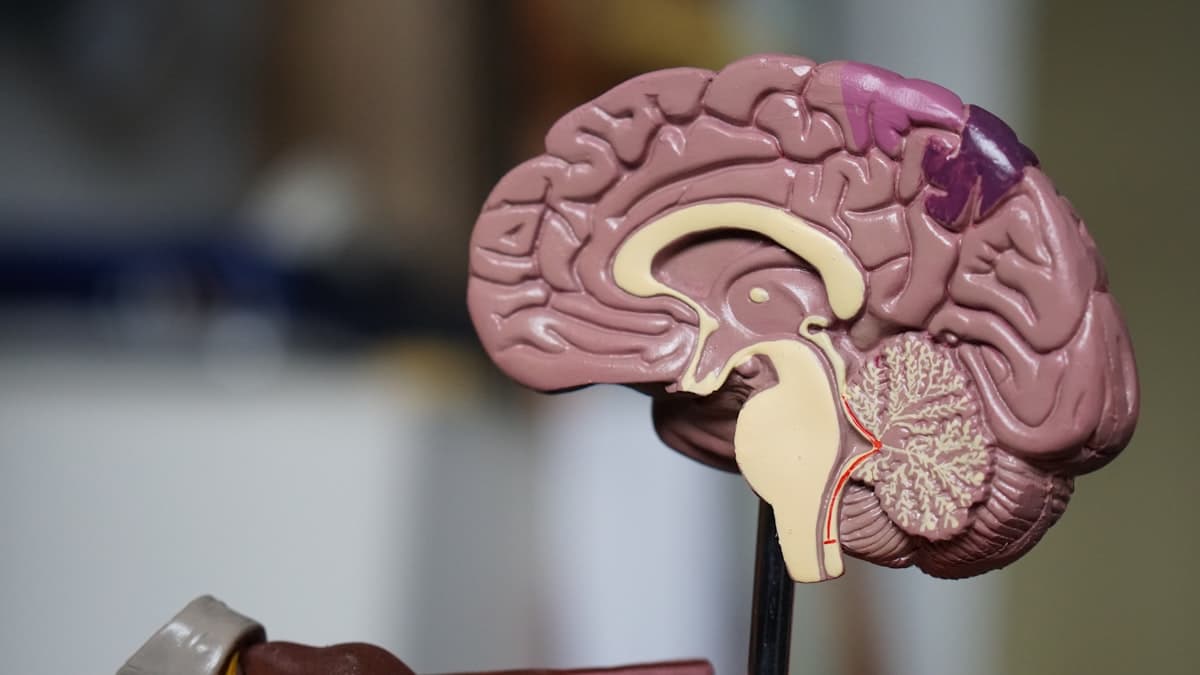
Understanding the science behind nicotine addiction is crucial for anyone looking to quit. When you know what's happening in your brain, you can better prepare for the challenges ahead and develop more effective strategies. This comprehensive guide breaks down the complex neuroscience into actionable insights.
How Nicotine Hijacks Your Brain's Reward System
Nicotine is a powerful psychoactive substance that directly targets your brain's reward system with surgical precision. When you use nicotine, it travels to your brain within 10-20 seconds through your bloodstream, where it binds to nicotinic acetylcholine receptors throughout your central nervous system.
This binding triggers a cascade of neurochemical reactions, releasing several key neurotransmitters:
- Dopamine: The "reward" chemical that creates feelings of pleasure and motivation
- Serotonin: Regulates mood, anxiety, and feelings of well-being
- GABA: The brain's primary inhibitory neurotransmitter, providing calming effects
- Glutamate: Enhances learning, memory formation, and reinforces behavioral patterns
- Norepinephrine: Increases alertness and arousal
The Addiction Cycle: How Dependence Develops
Over time, your brain adapts to the constant presence of nicotine through a process called neuroadaptation. Your brain reduces its natural production of these feel-good chemicals and increases the number of nicotine receptors, creating a biological need for the substance.
This creates a vicious cycle where you need increasing amounts of nicotine just to feel "normal." When nicotine levels drop, you experience withdrawal symptoms including:
- Physical symptoms: Headaches, fatigue, increased appetite, sleep disturbances
- Emotional symptoms: Irritability, anxiety, depression, mood swings
- Cognitive symptoms: Difficulty concentrating, memory problems, mental fog
- Behavioral symptoms: Strong cravings, restlessness, increased stress sensitivity
For a complete guide to managing these symptoms, see our day-by-day withdrawal guide.
The Neuroscience of Cravings
Cravings are triggered by the brain's memory centers, particularly the hippocampus and amygdala. These areas store associations between environmental cues (like stress, certain locations, or social situations) and nicotine use. When you encounter these triggers, your brain automatically activates the craving response.
Understanding this process helps explain why cravings can feel so powerful and why they often occur in specific situations. The good news is that these neural pathways can be rewired through consistent new behaviors and responses. For practical techniques to manage cravings when they hit, see our guide on 10 proven strategies to overcome nicotine cravings.
Breaking the Cycle: Working With Your Brain's Natural Healing
Your brain is remarkably adaptable through a process called neuroplasticity. When you quit nicotine, your brain begins to restore its natural balance, but this process takes time and patience.
Evidence-based strategies that work with your brain's natural healing process include:
- Gradual reduction: Tapering slowly minimizes withdrawal severity and allows your brain time to adjust
- Replacement activities: Exercise, meditation, and social connection trigger natural dopamine release
- Stress management: Techniques like deep breathing and mindfulness support your nervous system during recovery
- Sleep optimization: Quality sleep is crucial for neurotransmitter regulation and healing (see our guide on quit smoking insomnia)
- Nutrition support: Certain nutrients can support neurotransmitter production and brain health
The Recovery Timeline: What to Expect
Your brain starts healing immediately after you quit, but recovery happens in phases. For a detailed look at what happens to your body during the first month, check out our guide on what happens when you quit smoking for 30 days:
Acute Phase (First 72 Hours)
- 20 minutes: Heart rate and blood pressure drop
- 12 hours: Carbon monoxide levels normalize
- 24 hours: Nicotine levels drop significantly
- 48-72 hours: Most physical withdrawal symptoms peak
Short-term Recovery (1 Week to 3 Months)
- 1 week: Taste and smell begin to improve
- 2 weeks: Circulation improves, lung function increases up to 30%
- 1 month: Cilia in lungs begin to regenerate
- 3 months: Brain receptors begin to normalize, cravings decrease
Long-term Recovery (3 Months to 1+ Years)
- 6 months: Stress hormones normalize, mood stabilizes
- 9 months: Lung capacity improves significantly
- 1 year: Risk of relapse drops dramatically
- 5+ years: Disease risk approaches that of never-users
Supporting Your Brain During Recovery
You can actively support your brain's healing process through:
Nutritional Support
- Omega-3 fatty acids: Support brain health and reduce inflammation
- B-vitamins: Essential for neurotransmitter production
- Magnesium: Helps with stress and anxiety management
- Antioxidants: Protect brain cells from oxidative stress
Lifestyle Factors
- Regular exercise: Boosts natural endorphins and dopamine
- Meditation: Strengthens prefrontal cortex and emotional regulation
- Social support: Activates oxytocin and reduces stress hormones
- New hobbies: Create new neural pathways and positive associations
When to Seek Professional Help
While understanding the science is empowering, some people may need additional support. Consider professional help if you experience:
- Severe depression or anxiety that persists beyond the first month
- Multiple unsuccessful quit attempts
- Concerning physical symptoms during withdrawal
- Co-occurring mental health conditions
Curious how hooked you actually are? The free two-minute addiction quiz scores your dependence level and points you at the methods that match it.
Conclusion: Knowledge is Power
Understanding how nicotine affects your brain removes the mystery from addiction and empowers you to make informed decisions about your quit strategy. Remember, addiction is not a moral failing. It's a neurobiological condition that can be overcome with the right knowledge, tools, and support.
Every person's recovery journey is unique, but the science shows that your brain can and will heal. Be patient with yourself, celebrate small victories, and remember that each day without nicotine is literally rewiring your brain for freedom.
Frequently Asked Questions
Why is nicotine so addictive?
It reaches your brain within about ten seconds of an inhale and triggers a dopamine release, which is fast enough for your brain to link the drug tightly to relief. Your receptors then multiply to compensate, so you need nicotine to feel normal rather than to feel good.
Is nicotine as addictive as other drugs?
Research places it in a similar bracket to heroin and cocaine for how quickly and firmly dependence forms, though the intoxication and social harm are obviously very different. What makes it unusual is how many times a day the reward is repeated.
How long does it take for the brain to recover from nicotine?
Receptor numbers begin normalising within weeks, and most people describe the daily pull as gone by around month three. Situational cravings triggered by a specific place or mood can surface for a year or more, but they are brief and get rarer.
Does nicotine itself cause cancer?
No. Nicotine is not classified as a carcinogen. The cancer risk from smoking comes from tar and the chemicals produced when tobacco burns. Nicotine's harms are addiction, cardiovascular strain, effects on developing brains, and risks in pregnancy.

Ready to Quit?
Download QuitNic and start your journey to a nicotine-free life today.