Health9 min read
Quit Smoking Mental Health Benefits: Anxiety & Mood
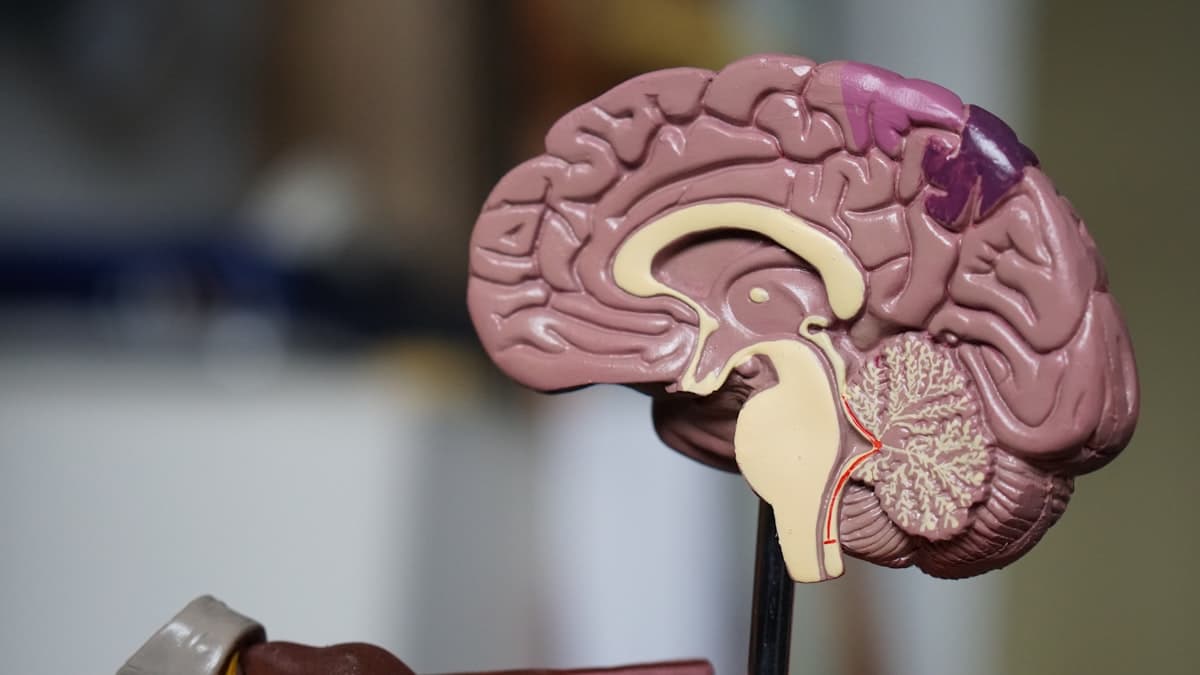
Many smokers believe cigarettes help them manage stress and anxiety. The truth is quite the opposite—smoking actually worsens mental health, and quitting leads to significant improvements in anxiety, depression, and overall psychological wellbeing. Here's what the science tells us about the mental health benefits of becoming smoke-free.
The Myth: Smoking Helps Manage Stress
Most smokers report that cigarettes help them relax and cope with stress. This perception is understandable but incorrect:
Why Smoking Feels Like Stress Relief
- Withdrawal relief: The "relaxation" is actually relief from withdrawal symptoms between cigarettes
- Ritual comfort: The familiar routine provides psychological comfort
- Deep breathing: The act of inhaling deeply has calming effects (you can do this without smoke)
- Break from situation: Stepping outside for a cigarette provides temporary escape
What's Really Happening
Nicotine creates a cycle of increasing stress:
- Smoke a cigarette → brief dopamine spike
- Nicotine levels drop → withdrawal begins
- Withdrawal causes anxiety and irritability
- Smoke another cigarette to relieve withdrawal
- Interpret this relief as "stress management"
You're not managing stress—you're managing nicotine withdrawal that cigarettes caused in the first place.
Research: Mental Health Improves After Quitting
Large-scale studies consistently show mental health improvements after smoking cessation:
Key Findings
- Anxiety decreases: Former smokers show 37% reduction in anxiety symptoms
- Depression improves: Equal to or greater than antidepressant medication effects
- Stress perception drops: Perceived stress significantly lower after quitting
- Quality of life increases: Overall wellbeing and life satisfaction improve
- Mood stability improves: Fewer emotional highs and lows
Timeline of Mental Health Improvements
- Week 1-2: Initial withdrawal anxiety peaks then begins declining
- Week 3-4: Mood begins stabilizing, irritability decreases
- Month 2-3: Significant reduction in anxiety and depression symptoms
- Month 6+: Mental health benefits fully realized and maintained
How Quitting Reduces Anxiety
Breaking the Withdrawal Cycle
Once you quit, you eliminate the constant mini-withdrawals that create background anxiety:
- No more wondering when you can smoke next
- No more anxiety about running out of cigarettes
- No more stress about smoking in prohibited areas
- No more guilt about smoking
Physiological Changes
- Normalized cortisol: Stress hormone levels return to healthy baseline
- Stable blood sugar: Nicotine disrupts glucose regulation; quitting stabilizes it
- Better sleep: Improved sleep quality reduces anxiety
- Balanced neurotransmitters: Brain chemistry normalizes over time
How Quitting Helps Depression
The Smoking-Depression Connection
- Smokers are 2x more likely to have depression than non-smokers
- Nicotine depletes dopamine receptors over time
- Smoking interferes with antidepressant medication effectiveness
- The guilt and health anxiety of smoking worsens depressive symptoms
Post-Quit Improvements
- Dopamine system recovery: Natural pleasure responses return
- Increased self-efficacy: Successfully quitting builds confidence
- Reduced shame: No longer hiding a habit you're embarrassed about
- Better physical health: Physical improvements boost mood
- Financial relief: Less financial stress from cigarette costs
Managing Mental Health During Withdrawal
The first few weeks can be challenging. Here's how to cope:
Weeks 1-2: The Hardest Part
What to expect:
- Increased anxiety and irritability (temporary)
- Mood swings
- Difficulty concentrating
- Possible depressive feelings
What helps:
- Exercise: Natural mood booster and anxiety reducer
- Sleep: Prioritize 7-9 hours nightly
- Social support: Talk to friends, family, or support groups
- Mindfulness: Meditation apps can help manage anxiety
- Remind yourself: This is temporary and getting better daily
When to Seek Professional Help
Contact a healthcare provider if you experience:
- Severe depression lasting more than two weeks
- Thoughts of self-harm
- Panic attacks that don't improve
- Inability to function in daily life
- Pre-existing mental health conditions worsening significantly
Quitting With Pre-Existing Mental Health Conditions
If You Have Anxiety Disorder
- Quitting helps long-term: Studies show improvement even in those with diagnosed anxiety
- Work with your doctor: May need to adjust medications or add support
- Consider NRT: Nicotine replacement can ease the transition
- Have a plan: Know your anxiety management techniques before quitting
If You Have Depression
- Research supports quitting: Depression typically improves, not worsens
- Monitor closely: Track mood during the first few weeks
- Medication adjustment: Some antidepressants may need dose changes after quitting
- Bupropion option: This medication helps both depression and smoking cessation
If You Have PTSD, Bipolar, or Schizophrenia
- Quit rates are lower but success is absolutely possible
- Work closely with your mental health team
- Consider specialized smoking cessation programs
- Benefits of quitting still apply to you
Natural Ways to Boost Mental Health While Quitting
Physical Activity
- Even 10-minute walks reduce anxiety
- Exercise releases endorphins naturally
- Physical activity improves sleep quality
- Structured exercise provides routine
Mindfulness and Meditation
- Reduces stress and anxiety effectively
- Helps observe cravings without acting on them
- Apps like Headspace and Calm offer guided sessions
- Even 5 minutes daily makes a difference
Social Connection
- Isolation worsens both cravings and depression
- Support groups provide understanding community
- Tell friends and family you're quitting
- Avoid isolation during difficult moments
Sleep Hygiene
- Poor sleep worsens anxiety and depression
- Establish consistent bedtime routine
- Avoid caffeine after noon
- Create a cool, dark sleep environment
The Long-Term Mental Health Gains
After the initial adjustment period, former smokers enjoy lasting benefits:
Psychological Benefits
- Increased confidence: Overcoming addiction builds self-esteem
- Reduced shame: No longer hiding smoking from others
- Greater control: Not being controlled by cravings and addiction
- Pride: Accomplishing a difficult health goal
Cognitive Benefits
- Better focus: No more cigarette-craving distractions
- Improved memory: Better blood flow to the brain
- Clearer thinking: No nicotine highs and lows
- Reduced dementia risk: Long-term brain health protection
Social Benefits
- No longer missing social events to smoke
- Not worrying about smelling like smoke
- Better relationships (partners often dislike smoking)
- More present in conversations and activities
What Research Participants Say
Common experiences reported by successful quitters:
"I thought cigarettes helped my anxiety. Now I realize they were causing most of it."
"My depression didn't get worse when I quit—it got better. I never expected that."
"The first two weeks were hard, but by month three I felt calmer than I had in years."
Related reading
The Bottom Line
If you've been using cigarettes to manage stress, anxiety, or depression, quitting will feel counterintuitive. But the evidence is clear: smoking worsens mental health, and quitting improves it—often dramatically.
Yes, the first few weeks may be challenging as your brain chemistry rebalances. But the temporary discomfort gives way to lasting improvements in mood, anxiety levels, and overall psychological wellbeing.
You deserve to be free from nicotine addiction AND to have better mental health. Quitting smoking delivers both.
Remember: If you have a mental health condition, work with your healthcare provider to create a quit plan that supports both your physical and mental health. Success is absolutely possible—and the benefits are worth it.
Ofte stillede spørgsmål
Does quitting smoking improve anxiety and depression?
Yes. Despite the common belief that smoking calms nerves, quitting is associated with reduced anxiety and depression over time, with effects comparable to antidepressant treatment in some studies. The first weeks are the exception, not the trend.
Why does smoking feel like it relieves stress then?
Because it relieves nicotine withdrawal, which starts building within an hour of the last cigarette. Smoking creates the stress it then appears to solve, which is why removing it entirely leaves people calmer rather than tenser.
How long until mood improves after quitting?
Most people notice a shift in weeks two to four, with clearer improvement by month three. Sleep tends to recover before mood does.
Should I quit smoking if I have a mental health condition?
Generally yes, and the benefits are often larger, but plan it with support rather than alone. Quitting can also change how your body processes some psychiatric medications, so tell your prescriber your quit date.

Klar til at stoppe?
Download QuitNic og begynd din rejse mod et nikotinfrit liv i dag.