Health11 min read
Quit Smoking and ADHD: Managing Focus Without Nicotine
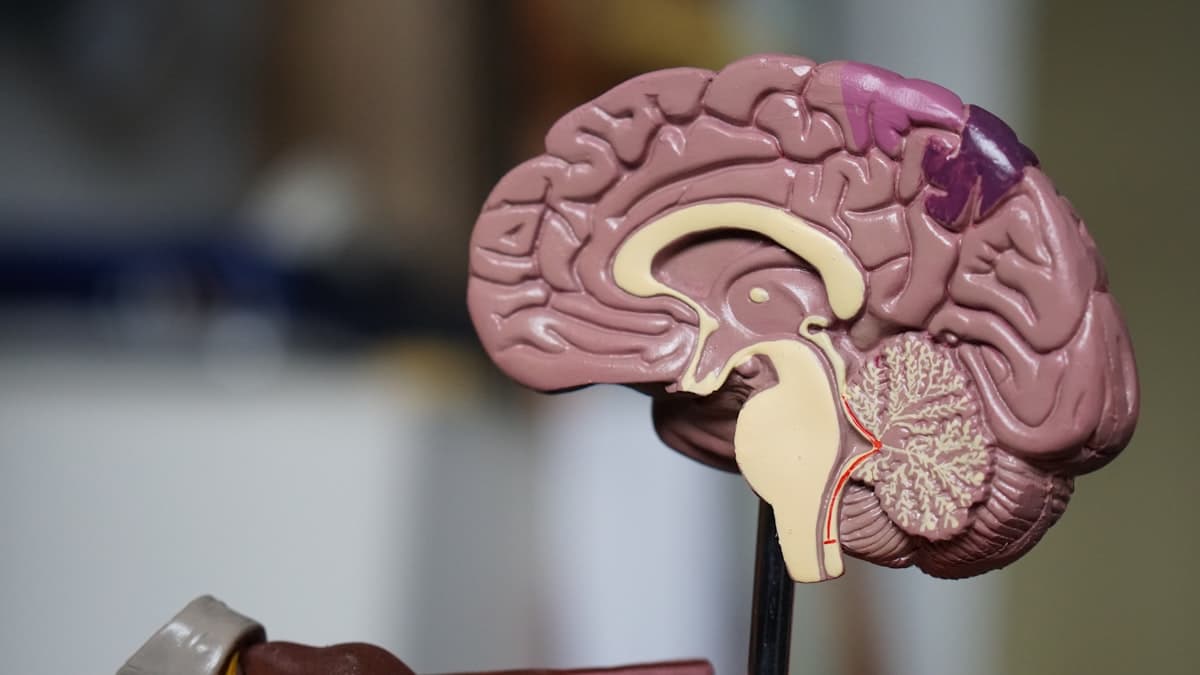
If you have ADHD and smoke, you're not alone—and quitting isn't as simple as just deciding to stop. Research shows people with ADHD are twice as likely to smoke and have significantly harder time quitting. This isn't weakness; it's brain chemistry. Understanding why nicotine feels essential for your focus, and having ADHD-specific strategies, can make the difference between success and another failed attempt.
Why People with ADHD Are Drawn to Nicotine
The connection between ADHD and nicotine use isn't coincidental—it's neurological:
The Dopamine Connection
ADHD brains typically have lower dopamine activity. Nicotine provides a rapid dopamine boost that temporarily:
- Improves concentration: Makes it easier to focus on tasks
- Reduces restlessness: Calms the need for constant stimulation
- Enhances working memory: Helps hold information in mind
- Increases motivation: Makes boring tasks more tolerable
Self-Medication Patterns
Many people with ADHD discover nicotine before diagnosis:
- Started smoking young, noticing it "helped" somehow
- Use cigarettes strategically before difficult tasks
- Smoke more during mentally demanding periods
- Feel genuinely cognitively impaired without nicotine
Why Quitting Is Harder with ADHD
- Impulsivity: Harder to resist immediate gratification
- Dopamine sensitivity: Withdrawal hits harder
- Executive function challenges: Planning and following through is already difficult
- Emotional dysregulation: Mood swings during withdrawal are more intense
The Truth About Nicotine and ADHD Focus
Here's the catch that many don't realize:
Short-Term Gain, Long-Term Drain
While nicotine provides temporary focus benefits:
- Tolerance develops rapidly—you need more for the same effect
- Withdrawal between cigarettes actually worsens ADHD symptoms
- You're not focusing "better"—you're just returning to baseline from withdrawal
- Non-smokers with ADHD who never started don't miss this "benefit"
What Research Shows
Studies comparing smokers and non-smokers with ADHD reveal:
- Long-term, smoking doesn't improve ADHD symptoms
- Former smokers with ADHD report equal or better focus after adjustment
- Proper ADHD treatment is more effective than nicotine for focus
Track Your Progress: The QuitNic app helps you monitor focus improvements and provides strategies tailored to your journey. Download free for iOS and Android.
Preparing to Quit with ADHD
1. Get Your ADHD Treatment Optimized First
Before quitting, ensure your ADHD is well-managed:
- Talk to your prescriber: Discuss quitting plans—medications may need adjustment
- Consider medication review: Proper ADHD medication can replace nicotine's focusing effects
- Time it right: Don't quit during medication changes or high-stress periods
2. Build External Structure
ADHD brains rely more on external cues:
- Set up visual reminders of your quit goals
- Create specific smoking replacement routines
- Use apps and alarms to stay on track
- Prepare your environment by removing all smoking cues
3. Inform Your Support System
- Tell close people you're quitting AND that you have ADHD
- Explain that your irritability may be more intense
- Ask for patience during the adjustment period
ADHD-Specific Quitting Strategies
Strategy 1: Replace the Stimulation
ADHD brains crave stimulation—give it to them in healthy ways:
- Physical movement: Take a short walk or do jumping jacks when craving
- Cold exposure: Hold ice cubes, splash cold water on face—provides sensory input
- Fidget tools: Stress balls, fidget spinners, or other tactile objects
- Crunchy snacks: Carrots, celery, or ice chips for oral stimulation
- Music or podcasts: Keep auditory stimulation available
Strategy 2: Leverage Your Hyperfocus
Use ADHD traits to your advantage:
- Channel hyperfocus into researching quitting methods
- Make quitting a "project" to obsess over productively
- Track data obsessively—money saved, health improvements, days quit
- Join online quit communities for novelty and social engagement
Strategy 3: Break Down the Goal
Large goals are overwhelming for ADHD brains:
- Focus on "just today" or even "just this hour"
- Set micro-milestones with small rewards
- Use visual progress trackers
- "Never smoke again" is too abstract—"don't smoke right now" is manageable
Strategy 4: Address the Routine Aspect
ADHD brains often rely on smoking as a routine anchor:
- Identify when you use cigarettes to transition between tasks
- Create new transition rituals (walk, stretch, drink water)
- Maintain the "break" structure without the smoking
Strategy 5: Manage Emotional Dysregulation
ADHD already makes emotions harder to regulate—withdrawal intensifies this:
- Acknowledge it: "I'm extra emotional because of withdrawal AND ADHD"
- Time-out strategy: Remove yourself from situations before reacting
- Physical release: Exercise, punch a pillow, scream into a pillow
- Temporary lowered expectations: Don't expect emotional stability during early withdrawal
Managing Focus During Withdrawal
Expect a Temporary Dip
Concentration will likely worsen before it improves:
- Week 1-2: Significant difficulty focusing
- Week 2-4: Gradual improvement
- Month 2+: Focus often better than when smoking
Compensating Strategies
- Simplify your schedule: Reduce non-essential commitments
- Use body doubling: Work alongside others for accountability
- External deadlines: Create artificial urgency with timers
- Break tasks down: Make every step tiny and specific
- Reward more frequently: Give yourself small rewards for short work periods
Caffeine Considerations
Many people with ADHD use caffeine for focus:
- Caffeine metabolism changes after quitting smoking—you may need less
- Too much caffeine can increase anxiety during withdrawal
- Moderate, steady caffeine intake can help with focus during adjustment
Medication Considerations
If You're on ADHD Medication
- Smoking affects how stimulant medications are metabolized
- You may need dose adjustments after quitting
- Communicate with your prescriber about your quit timeline
- Don't adjust medications without professional guidance
If You're Not on ADHD Medication
Consider whether now is the time to explore medication options:
- Properly treated ADHD makes quitting significantly easier
- Medication can replace some of nicotine's focusing effects
- Some people discover their ADHD was masked by nicotine use
Smoking Cessation Medications and ADHD
- Varenicline (Chantix): Generally safe with ADHD; discuss with doctor
- Bupropion (Wellbutrin): Actually used for both ADHD and smoking cessation—may be particularly helpful
- NRT (patches, gum): Can be used to taper nicotine gradually—may be easier for ADHD brains
Common ADHD-Specific Challenges
"I Forgot I Quit"
ADHD memory issues can lead to autopilot smoking:
- Remove ALL cigarettes from your environment
- Wear a rubber band as a physical reminder
- Set random phone reminders: "Remember, you're quit!"
- Change routines to disrupt autopilot patterns
"I Can't Handle Waiting"
Impulsivity makes craving management harder:
- Practice urge surfing—observe the craving without acting
- Use the 5-minute rule: "I'll wait just 5 more minutes"
- Have immediate distractions ready (games, fidgets, snacks)
"I Made an Impulsive Mistake"
If you slip due to impulsivity:
- Don't turn one cigarette into a pack
- Learn what triggered the impulsive action
- Set up more barriers for next time
- Slips are learning opportunities, not failures
Long-Term Success Factors
Sustainable Dopamine Sources
Build a lifestyle that provides natural stimulation:
- Regular exercise: Increases dopamine long-term
- Engaging hobbies: Video games, puzzles, creative projects
- Social connection: Novelty and stimulation from others
- Nature exposure: Reduces stress and improves focus
Ongoing ADHD Management
- Continue or start ADHD treatment
- Develop non-nicotine coping strategies for focus challenges
- Build external structure into your life
- Practice self-compassion—ADHD makes many things harder
The Bottom Line
Quitting smoking with ADHD is harder—but it's absolutely possible. The key is understanding that nicotine isn't actually helping your ADHD; it's creating a dependency that mimics help. With proper ADHD management, strategic planning, and ADHD-specific coping strategies, you can quit successfully.
Many people with ADHD report that after the adjustment period, their focus is actually better without the constant cycle of nicotine withdrawal and relief. Your ADHD brain can absolutely thrive without nicotine—it just needs the right support during the transition.
Ready to Start Your Journey?
QuitNic tracks your progress, celebrates your milestones, and provides AI coaching support 24/7.
Download QuitNic Free
Ready to Quit?
Download QuitNic and start your journey to a nicotine-free life today.