How to Break the Habit Loop That Keeps You Hooked on Nicotine
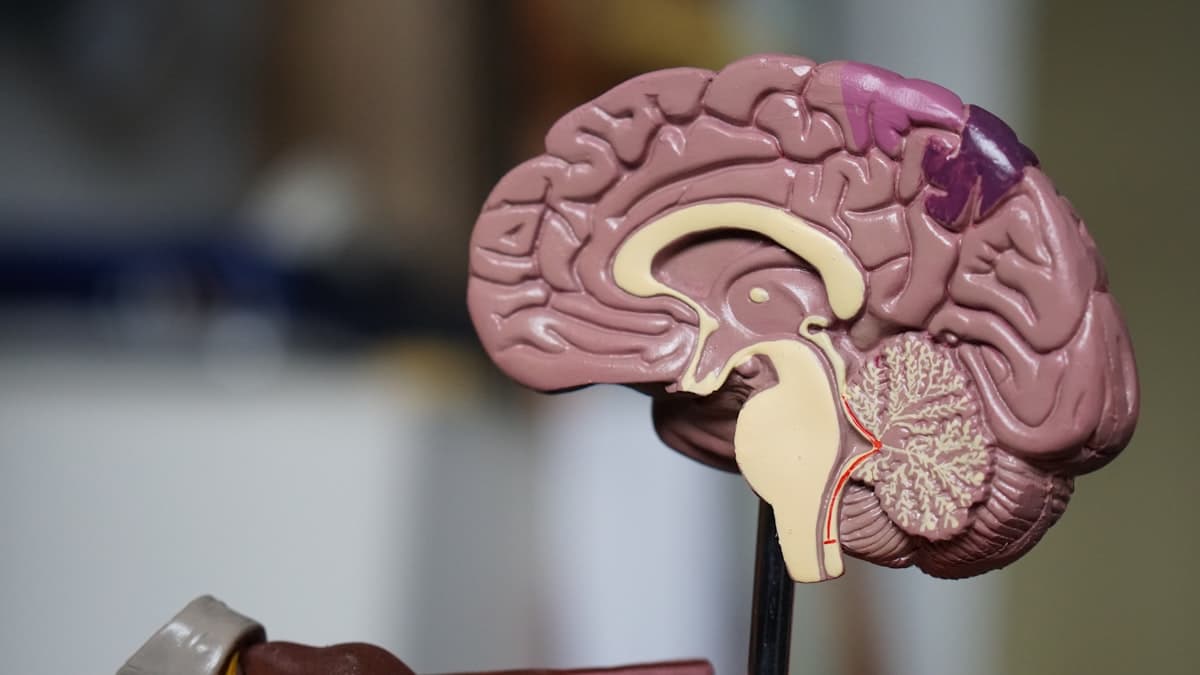
Every time you reach for a cigarette, vape, or snus, you're not just satisfying a physical craving—you're following a deeply ingrained habit loop that has been reinforced thousands of times. Understanding and breaking this loop is crucial for lasting freedom from nicotine addiction.
The habit loop is a powerful neurological pattern that governs much of our daily behavior. For nicotine users, this loop becomes so automatic that you often don't even realize you're following it. But here's the good news: once you understand how it works, you can systematically break it down and rebuild healthier patterns.
This comprehensive guide will teach you exactly how to identify, interrupt, and replace the habit loops that keep you hooked on nicotine.
The Habit Loop Formula
Every habit follows the same pattern: Cue → Routine → Reward. Your brain learns to automatically trigger the routine (using nicotine) when it detects the cue, because it anticipates the reward. Breaking free means interrupting this automatic process.
Understanding the Nicotine Habit Loop
The Three Components
1. The Cue (Trigger)
This is the signal that tells your brain to go into automatic mode and which habit to use. Common nicotine cues include:
- Environmental cues: Seeing ashtrays, smoking areas, or other people using nicotine
- Emotional cues: Stress, anxiety, boredom, excitement, or frustration
- Social cues: Being around friends who smoke, parties, or work breaks
- Time-based cues: Specific times of day when you usually use nicotine
- Activity cues: Drinking coffee, driving, finishing meals, or taking breaks
- Physical cues: Feeling tired, restless, or experiencing withdrawal symptoms
2. The Routine (Behavior)
This is the behavior itself—the act of using nicotine. The routine can vary but follows patterns:
- Preparation rituals: Getting your cigarettes, finding your vape, or opening a snus can
- The physical act: Lighting up, taking puffs, or placing snus in your mouth
- Associated behaviors: Going to a specific location, taking deep breaths, or holding the device
- Duration patterns: How long you typically use nicotine during each session
3. The Reward (Payoff)
This is what your brain gets from the routine. Nicotine provides multiple rewards:
- Chemical rewards: Dopamine release, stress relief, and mood enhancement
- Physical rewards: Oral satisfaction, hand-to-mouth motion, and breathing patterns
- Social rewards: Bonding with others, conversation opportunities, or social acceptance
- Emotional rewards: Temporary escape, feeling of control, or moment of peace
- Cognitive rewards: Break from mental tasks, thinking time, or problem-solving space
Why Traditional Willpower Fails
Ready to Quit?
Download QuitNic and start your journey to a nicotine-free life today.
The Automatic Nature of Habits
Habits operate below the level of conscious decision-making. When you're addicted to the routine, your brain literally goes on autopilot when it encounters a familiar cue. This is why you might find yourself with a cigarette in your hand without remembering deciding to smoke.
The Stress Factor
Under stress, your brain defaults to established patterns even more strongly. This explains why people often relapse during stressful periods—their brain automatically reverts to familiar coping mechanisms.
The All-or-Nothing Trap
Trying to eliminate habits through pure willpower often fails because it doesn't address the underlying loop structure. You need to systematically replace the routine while satisfying the same underlying needs.
The Golden Rule of Habit Change
You cannot eliminate a bad habit—you can only change it. The most effective approach is to keep the same cue and reward, but change the routine to something healthier.
Step 1: Identify Your Personal Habit Loops
The Habit Loop Detective Work
For one week, track every time you use nicotine using this method:
The CROW Method
- C - Cue: What triggered the urge? (emotion, location, time, people, preceding event)
- R - Routine: What exactly did you do? (type of nicotine, how much, where, how long)
- O - Outcome: What reward did you get? (how did you feel during and after)
- W - Worth: Rate how satisfying it was (1-10 scale)
Common Habit Loop Patterns
The Stress Loop
- Cue: Feeling overwhelmed, deadline pressure, conflict
- Routine: Step outside for a cigarette or take several vape puffs
- Reward: Momentary calm, breathing space, feeling of control
The Social Loop
- Cue: Seeing others smoke, being at a party, work break time
- Routine: Join others for a smoke break or social vaping session
- Reward: Social connection, belonging, conversation opportunity
The Transition Loop
- Cue: Finishing a meal, ending work, getting in the car
- Routine: Light up or take out vape/snus
- Reward: Sense of completion, transition ritual, moment of pause
The Boredom Loop
- Cue: Feeling understimulated, waiting, having nothing to do
- Routine: Use nicotine for stimulation
- Reward: Mental stimulation, something to do with hands and mouth
Step 2: Design New Routines
The Replacement Strategy
For each habit loop you've identified, design a new routine that provides the same reward:
For Stress-Relief Loops
- Deep breathing exercises: 4-7-8 breathing or box breathing
- Quick meditation: 2-3 minute mindfulness break
- Physical movement: Walk around the block or do stretches
- Progressive muscle relaxation: Tense and release muscle groups
- Cold water: Splash face or drink ice water
For Social Connection Loops
- Join non-smoking colleagues: Take breaks with people who don't smoke
- Bring conversation starters: Ask about weekend plans or current events
- Suggest alternative activities: Walk-and-talk meetings or coffee breaks
- Use technology: Quick text or call to connect with friends
- Practice small talk: Engage in brief conversations without needing nicotine
For Transition/Completion Loops
- Mindful breathing: Three deep conscious breaths
- Gratitude practice: Think of three things you're grateful for
- Transition ritual: Wash hands, stretch, or tidy up
- Brief planning: Think about what comes next
- Hydration: Drink water or herbal tea
For Oral Fixation Loops
- Sugar-free gum: Provides oral stimulation
- Toothpicks: Keep mouth and hands busy
- Sunflower seeds: Healthy oral activity
- Herbal tea: Warm, soothing, and requires sipping
- Raw vegetables: Carrots, celery, or cucumber
Step 3: Practice the New Loops
The 21-Day Challenge
Research shows it takes an average of 21 days to form a new habit. Here's how to maximize your success:
Week 1: Conscious Practice
- High awareness: Deliberately look for your cues
- Slow execution: Carefully perform your new routine
- Immediate reward: Acknowledge how the new routine feels
- Track progress: Note each successful replacement
Week 2: Building Momentum
- Faster recognition: Cues become easier to identify
- Smoother execution: New routines feel more natural
- Reduced resistance: Less mental effort required
- Celebrate wins: Acknowledge successful habit changes
Week 3: Automaticity
- Unconscious competence: New routines happen more automatically
- Reduced cravings: Less desire for old routine
- Increased confidence: Belief in your ability to change
- Habit stacking: Link new habits to existing ones
The Slip-Up Protocol
When you slip back into old patterns (and you probably will), use this recovery strategy:
The STOP Method
- S - Stop: Pause and acknowledge what happened
- T - Think: Identify what cue triggered the old routine
- O - Observe: Notice how you feel without judgment
- P - Proceed: Immediately practice your new routine
Slip-Ups Are Normal
Don't treat slip-ups as failures. They're learning opportunities that help you refine your new habit loops. Each slip-up teaches you something about your triggers and helps you strengthen your new patterns.
Advanced Habit Loop Strategies
Environment Design
Remove Cues
- Physical removal: Get rid of all nicotine products and paraphernalia
- Route changes: Avoid places where you typically used nicotine
- Visual cues: Remove ashtrays, lighters, or vaping devices from sight
- Digital cleanup: Unfollow social media accounts that promote smoking/vaping
Add Positive Cues
- Visual reminders: Place water bottles, gum, or stress balls in prominent locations
- Phone alerts: Set reminders for breathing exercises or positive affirmations
- Environmental changes: Rearrange spaces to break automatic patterns
- Motivational items: Place photos or quotes that remind you why you're quitting
The Reward Multiplication Strategy
Make your new routines more rewarding than the old ones:
Immediate Rewards
- Physical comfort: Make new routines physically pleasant
- Social recognition: Share your progress with supportive people
- Self-praise: Acknowledge each successful habit change
- Sensory pleasure: Use pleasant tastes, smells, or textures
Long-term Rewards
- Health tracking: Monitor improvements in breathing, taste, or energy
- Financial tracking: Watch money saved accumulate
- Achievement badges: Create milestones for consecutive successful days
- Future planning: Use saved money for something special
Habit Stacking for Quit Success
The Habit Stack Formula
Link your new healthy routines to existing strong habits:
"After I [existing habit], I will [new healthy routine]."
Examples of Effective Habit Stacks
- "After I pour my morning coffee, I will take five deep breaths."
- "After I finish eating lunch, I will chew sugar-free gum for 5 minutes."
- "After I get in my car, I will take three conscious breaths before starting the engine."
- "After I feel stressed, I will splash cold water on my face."
Creating Habit Chains
Link multiple healthy behaviors together:
The Morning Chain
- Wake up → Drink water → Do breathing exercise → Take vitamins → Start day
The Stress Chain
- Feel stress → Take deep breath → Step outside → Do quick walk → Return refreshed
The Evening Chain
- Finish dinner → Brush teeth → Drink herbal tea → Practice gratitude → Prepare for bed
The Compound Effect
Small habit changes compound over time. Each successful loop replacement makes the next one easier. You're not just breaking one habit—you're building a system of healthy behaviors that support your nicotine-free life.
Troubleshooting Common Challenges
When New Routines Don't Feel Rewarding
The Problem
Your new healthy routine doesn't provide the same immediate satisfaction as nicotine.
The Solution
- Enhance the reward: Add pleasurable elements to make it more satisfying
- Stack rewards: Combine multiple small rewards
- Social reward: Share your success with others
- Future focus: Remind yourself of long-term benefits
When Cues Are Unavoidable
The Problem
You can't avoid certain triggers like work stress or social situations.
The Solution
- Prepare in advance: Plan your new routine before encountering the cue
- Practice visualization: Mentally rehearse your new response
- Buddy system: Have someone to call or text for support
- Emergency kit: Carry alternatives like gum or stress ball
When Multiple Loops Overlap
The Problem
You have multiple habit loops triggered by the same situation.
The Solution
- Start with one: Focus on changing the strongest loop first
- Address the root: Look for the underlying need being met
- Create a super-routine: Develop one routine that satisfies multiple needs
- Sequential replacement: Change one loop, then move to the next
Success Stories: Habit Loop Breakthroughs
Jennifer's Stress Loop Transformation (34, smoked for 12 years)
"I realized I always smoked when my boss stressed me out. Instead of going outside for a cigarette, I started going to the bathroom for 2 minutes of deep breathing. It gave me the same mental break without the nicotine. The breathing technique became just as automatic as smoking used to be."
Marcus's Social Loop Redesign (28, vaped for 4 years)
"I used to vape during all my work breaks with colleagues. I was worried about losing that social time. Instead, I suggested walking breaks or coffee runs. Turns out, the conversation was what I really valued, not the vaping. Now I have even better relationships with my coworkers."
Sarah's Evening Routine Revolution (25, used snus for 3 years)
"Every night after dinner, I'd put in snus while watching TV. I replaced it with herbal tea and a small piece of dark chocolate. The ritual was the same—something special to mark the end of the day—but now it's actually healthy. It took about 3 weeks to feel automatic."
Your Habit Loop Action Plan
Week 1: Discovery
- Track all nicotine use with the CROW method
- Identify your top 3 most frequent habit loops
- Start noticing cues before they trigger routines
- Begin experimenting with alternative routines
Week 2: Design
- Choose specific replacement routines for each loop
- Remove environmental cues where possible
- Add positive cues for new behaviors
- Practice new routines in low-stress situations
Week 3: Implementation
- Actively use new routines when cues appear
- Track successful replacements
- Adjust routines based on what works
- Build habit stacks with existing behaviors
Week 4: Optimization
- Refine routines that aren't quite working
- Strengthen the most successful new habits
- Plan for challenging situations
- Celebrate your habit transformation progress
Breaking the habit loops that keep you hooked on nicotine isn't about willpower—it's about understanding the psychology of behavior change and systematically replacing old patterns with new ones. Every successful loop replacement is a victory that builds momentum for the next.
Remember, you're not just quitting nicotine; you're becoming someone who has different automatic responses to life's cues. This transformation takes time, but it's incredibly powerful because it changes behavior at the unconscious level.
Your habit loops were created through repetition, and they can be changed the same way. Every time you successfully execute a new routine instead of reaching for nicotine, you're literally rewiring your brain for freedom. Start with one loop, master it, and then move to the next. Your automatic behaviors can become your greatest allies in maintaining a nicotine-free life.
Ready to Quit?
Download QuitNic and start your journey to a nicotine-free life today.